Winter Electrical Safety in Christchurch: A Home Checklist for Cold-Weather Prep
Winter Electrical Safety in Christchurch: A Home Checklist for Cold-Weather Prep

When winter arrives in Christchurch, homes start using more electricity. Heaters, heat pumps, dryers, electric blankets, and extra lighting can all add pressure to your system, especially in older homes or properties already running close to capacity.
That extra demand can expose weak points fast. If you’ve noticed flickering lights, circuits tripping more often, or appliances running hotter than usual, those are signs your electrical system may need attention.
To help homeowners stay safe, Christchurch Electrical has created a simple Home Electrical Safety Checklist you can download and use as part of your winter prep.
What To Check Before Winter
A quick visual check can help you spot common problems early. Start with power points, cords, appliances, outdoor fittings, and the switchboard.
Look for:
- Cracked or damaged power points
- Frayed or exposed cords
- Scorch marks or signs of overheating
- Loose fittings or worn switches
- Outdoor lights or sockets with rust, cracks, or moisture
Outside the home, winter weather can be especially hard on electrical gear. Check that outdoor fittings have weatherproof covers and that debris, spider webs, or moisture are not building up around them.
Overloading is a Winter Risk
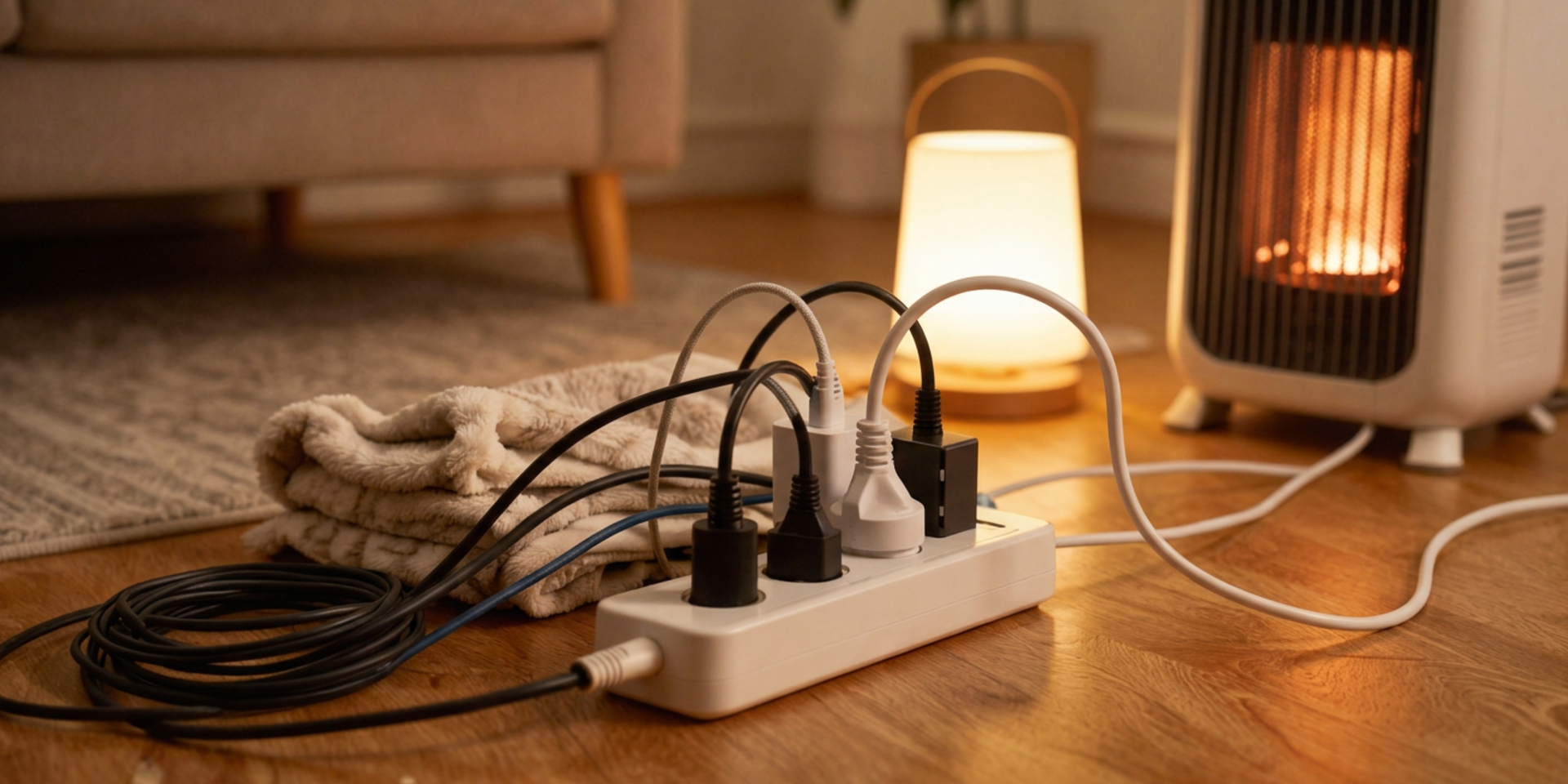
One of the most common cold-weather issues is overloading sockets and power boards. That usually happens when heaters, dryers, and other high-load appliances are plugged in alongside everyday devices.
Power boards are intended for light-duty use, and heavy appliances should generally be plugged directly into a wall socket. If you’re using multiple winter appliances at once, it’s worth checking whether your setup is being pushed too hard. You may need dedicated electrical circuits for key appliances.
Why RCDs Matter
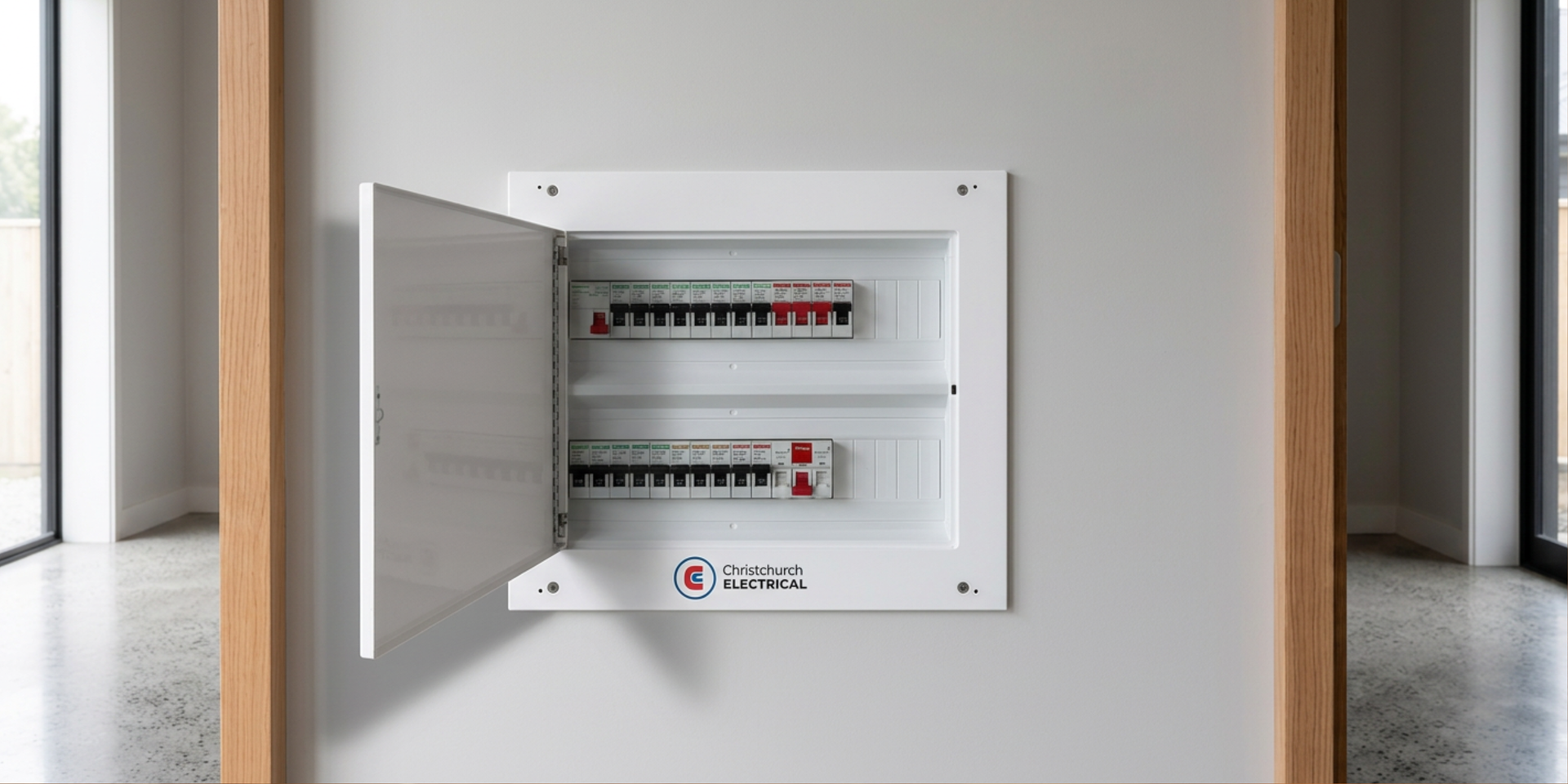
RCDs are an important safety device in the home, and they should be checked regularly. Christchurch Electrical’s checklist recommends testing them every three months by pressing the test button and resetting them afterwards.
If an RCD keeps tripping, don’t ignore it. Repeated tripping can point to an appliance fault, moisture, overload, or another electrical issue that needs professional attention. For homeowners, that’s a useful warning sign rather than something to reset and forget.
Switchboards and Wiring Deserve a Winter Check
Older switchboards and aging wiring can struggle when winter demand rises. If your home still has an original switchboard, outdated fuses, or wiring that has not been inspected in years, now is a good time to have it assessed before problems show up as tripping, flickering lights, or overheating.
Winter is often when these issues become more obvious because heaters, dryers, and other high-load appliances put extra stress on the system, especially when the whole family is indoors escaping the cold! A wiring inspection can help identify worn components, unsafe connections, or capacity issues before they turn into a bigger fault.
Download the Home Electrical Safety Checklist
To make winter prep easier, Christchurch Electrical has made a simple winter-ready guide for Christchurch homes.
Spot overloading, tripping RCDs, and warning signs early, by downloading the Home Electrical Safety Checklist below. It’s a practical visual guide for spotting common issues before they turn into costly repairs.

When to Call Christchurch Electrical
If you notice frequent tripping, flickering lights, partial power loss, overheating appliances, or damage to outdoor fittings, it’s time to get a registered electrician involved. These issues can worsen as winter demand increases.
Christchurch Electrical can assess the problem, recommend repairs or upgrades, and help make sure your home is ready for the colder months. That’s especially important for older homes, recent property purchases, or any property with unknown electrical history. To book a registered electrician, call 03 366 1718.
Share article:

Industrial Electrical Automation in Canterbury: Smarter Systems for Safer, More Efficient Operations